
‘Joker’ Gambler Admits $95M Texas Lottery Takeover
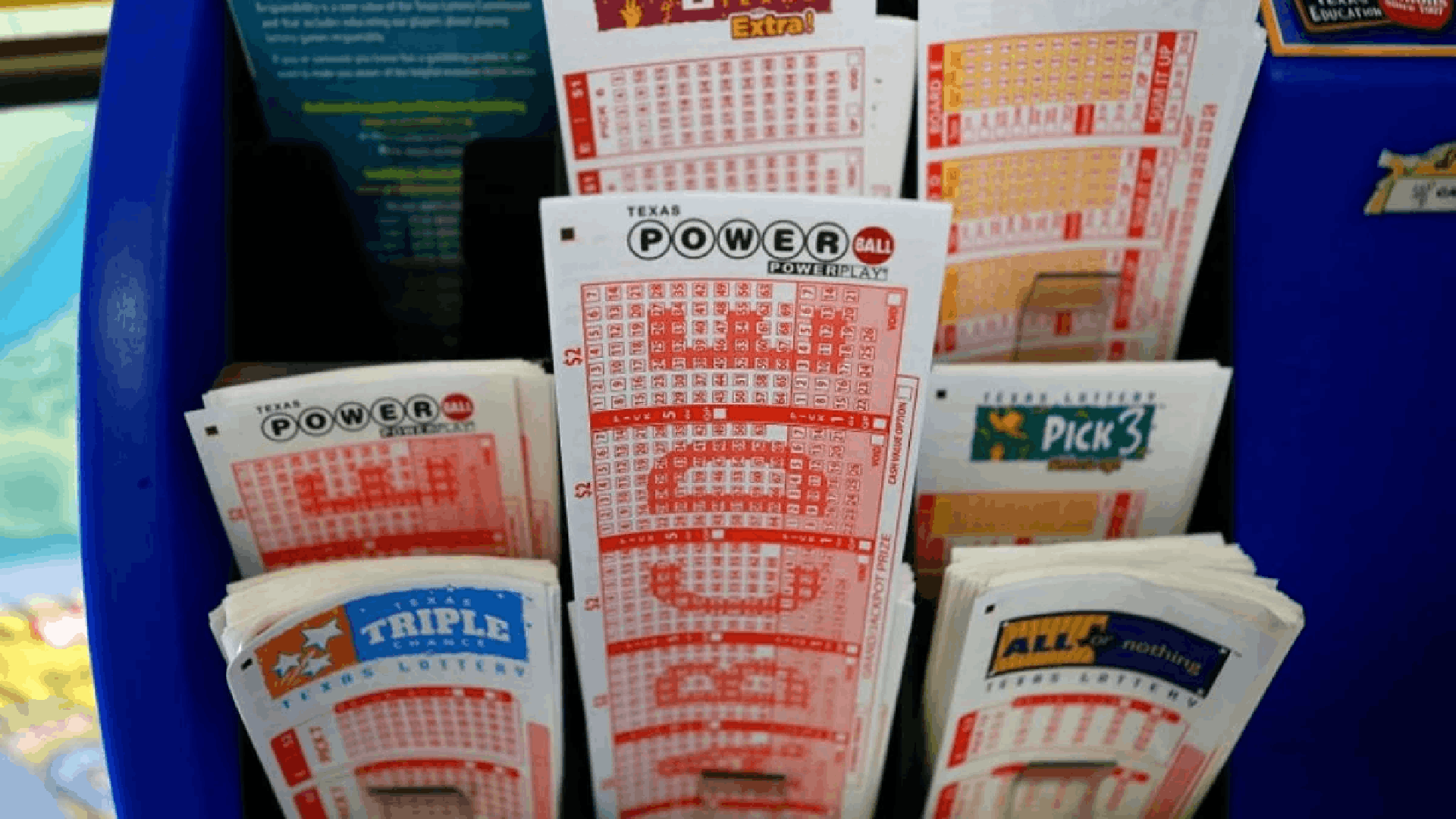
The "Joker," a mysterious professional gambler, has acknowledged funding a scheme to buy almost all the tickets for a 2023 Texas Lottery drawing, thereby practically ensuring a portion of the $95 million jackpot.
Although many sources who spoke to The Houston Chronicle identified Zeljko Ranogajec as being involved in the scheme last year, this is the first time we have heard his name directly from him.
"I was involved in the funding of the Texas lottery play,” he told The Sydney Morning Herald last week, adding that the endeavor was not without risk.
“The Texas Lottery Commission facilitated the play by providing terminals, paper, and ink. It would not have been possible to operate at this scale without full co-operation,” he added.
Jackpot Vulnerable
The jackpot for the Texas Lottery draw on April 22, 2023, had reached $95 million after 93 rollovers, making it mathematically exploitable for someone who could purchase as many number combinations as feasible.
The syndicate of Ranogajec spent more than $25 million on tickets for a dollar apiece in order to cover approximately 99 percent of the combos. It had a strong likelihood of hitting the jackpot because of this.
Nevertheless, the syndicate would have lost money if it had split the top prize with one or more players. The group finally chose the $57 million lump sum (before taxes) rather than the entire amount, which would have been paid over 30 years. In other words, they may have spent about $25 million to win $10 million to $12 million after taxes, which may have been supplemented by a couple more million in lesser prizes.
Monster of Loch Ness
One of the most successful gamblers in the world, with a reported net worth of billions, has been described as Australian Ranogajec, who is also known by the nickname "the Loch Ness Monster" because he is seen so seldomly. David Walsh, a wealthy Australian gambler and long-term partner in Ranogajec's betting syndicate, once stated that they wagered about A$10 billion (US$7 billion) annually.
Ranogajec informed SMH that he was merely the investor and not involved in the organization of the huge operation. Colossus Bets, Ranogajec's online pool-betting company based in London, fell into the hands of Bernard Marantelli, a partner. Additionally, Marantelli talked to the SMH last week.
The syndicate orchestrated numerous licensed lottery couriers throughout Texas, established dozens of terminals, and utilized pre-generated QR codes on phones and tablets to print tickets at a rate of approximately 100 tickets per second over a period of about 72 hours.
As millions of tickets were produced, they were cataloged and packed by employees working around the clock in makeshift print facilities, which included a fishing store and a repurposed dentist's office.
In the face of the draw deadline, they were able to print more than $25 million worth of submissions by the last day, all while managing logistics, staffing, gear, and data tracking at scale.
Political Storm
The Texas Lottery Commission, accused of allowing bulk ticket purchases through lottery couriers and thus enabling the win, was ultimately dissolved in response to the plan's announcement, which caused a political firestorm throughout the state. The "biggest theft from the people of Texas in the history of Texas" was what Texas Lt. Governor Dan Patrick said it was.
Patrick's assessment does not persuade Marantelli.
“Calling it ‘robbery’ seems less an economic description and more a political framing,” he told SMH, “especially when the lottery itself is a state-run product designed to extract money from the Texan people.”