

Brazil Drops Betting Bombshell, Pulls Plug on Regulated Market
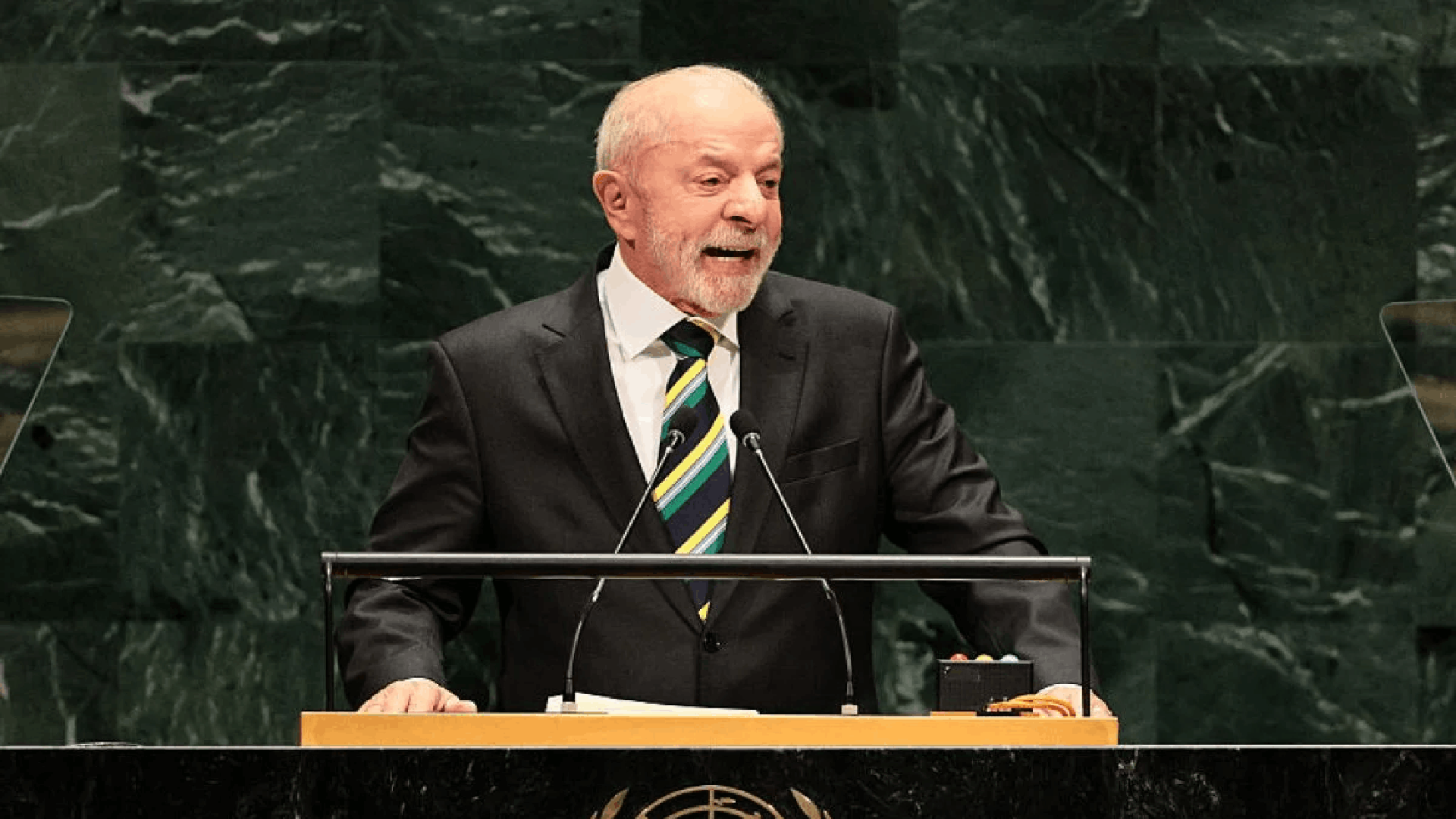
Brazil has unexpectedly terminated its regulated online gambling sector, less than two years after it began, requiring licensed sportsbooks and online casinos to cease operations and leaving operators with substantial financial losses from their investments in the nation.
On Friday, September 25, President Luiz Inácio Lula da Silva enacted a provisional measure that prohibits the functioning, offering, facilitation, and advertisement of fixed-odds wagering across Brazil.
This directive pertains to both sports betting and internet casino gaming and applies to both state and federal license holders. New deposits from customers were banned immediately, while all betting platforms and applications are required to deactivate by October 6.
This move signifies a remarkable turnabout for a nation that had recently finalized the regulation of its vast online gambling industry at the start of 2025.
Lula himself enacted laws to create the regulatory structure in December 2023. From January 1, 2025, companies were required to obtain approval from the Ministry of Finance’s Secretariat of Prizes and Betting (SPA) to provide services to Brazilian clients on a national scale.
Billions Expended for Licenses
The authorities assert that 85 licenses were granted, each priced at R$30 million (US$5.6 million), resulting in R$2.55 billion (US$478 million) in licensing revenues.
These licenses were issued for a period of five years; however, Lula's new measure explicitly states that operators will not receive any refunds or compensation for their investments, lost earnings, or the anticipated continuation of their operations.
Betting customers have until October 5 to retrieve their funds. Additionally, promotional and sponsorship materials must be taken down by that date.
The regulated sector had limited indication of the extent of this sudden change, even though Lula had hinted more frequently that a crackdown was imminent.
On September 18, the president remarked that if it were his decision, he would "end" gambling in Brazil. Shortly afterward, reports indicated that his administration was contemplating a ban on online casino games while possibly allowing regulated sports betting to persist.
However, the measure taken on Friday far exceeded those initial considerations.
Just ten days prior, the SPA had announced new actions aimed at reinforcing the current regulatory framework by disrupting financial transactions linked to illegal gambling operators.
Public Health Issues
Authorities have defended the prohibition mainly on the basis of health risks and economic damage, claiming that internet gambling has led to increased household debt and has heightened the demand for assistance with gambling-related issues.
This announcement arrives just a few days ahead of Brazil's presidential election scheduled for October 4, where Lula is aiming for another term. Gambling had emerged as a significant topic in his campaign for reelection.
Industry representatives are now gearing up for a legal response. The Brazilian Association of International Gaming Operators and Providers (ABRAJOGO) stated that the administration abruptly dismantled a regulatory system that it had established, resulting in companies investing, employing staff, and setting up their operations to meet federal standards.
The temporary measure takes effect immediately but must receive the approval of Congress to be established permanently. It can be in place for as long as 120 days while Congress deliberates on the matter.
Despite the immediate disruption and concerns about a lasting closure, some analysts in the industry believe the ban may be temporary. The advisory firm Regulus Partners estimates an 85% chance that it will be overturned within weeks or months, pointing to the likelihood of Congress rejecting it under Lula and the potential for government change post-election.
At the same time, the administration is working on new legislation that would establish criminal charges for running or promoting fixed-odds betting, with suggested prison terms of up to six years for those operating illegally.